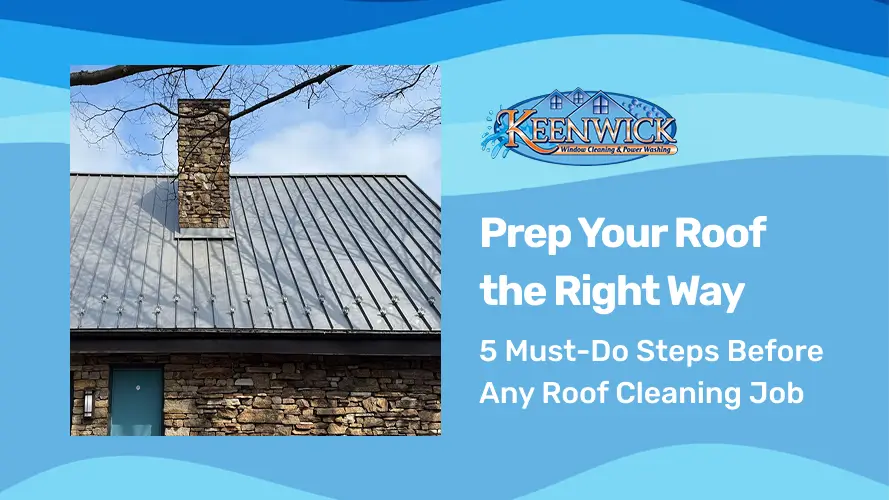
Roof cleaning is more than a cosmetic fix. It’s a smart way to maintain your property, prolong your roof’s lifespan, and avoid costly damage. Before diving into the process, homeowners should take a few important steps to ensure everything goes smoothly. When hiring roof cleaning services, preparation is just as important as the cleaning itself.
This blog outlines five key steps to take before the cleaning crew arrives. Whether you’re dealing with mold, algae, or just years of grime buildup, following these steps can help you avoid unexpected issues and protect your home.
1. Inspect the Roof for Visible Damage
Before anyone climbs up there, take a close look, visually or with the help of binoculars, from the ground. Look out for missing or curled shingles, cracks, soft spots, or anything that just doesn’t look right.
If there’s already damage on the roof, cleaning it without repairs could make things worse. High-pressure water or cleaning chemicals might loosen parts of the roof or seep into cracks. This could lead to leaks or further deterioration.
Quick tip: You don’t need to risk climbing. Use a drone, a camera on a pole, or simply ask the team providing your roof cleaning services for a quick pre-inspection. They usually know what to look for and can advise if repairs are needed before the job starts. Getting this out of the way makes sure the cleaning doesn’t uncover new problems later.
2. Clear the Surrounding Area
Think of this like preparing for a backyard project. Move anything close to the house, grills, potted plants, patio furniture, bikes, toys. If it’s under the roofline, it needs to be somewhere else.
Why? During roof cleaning, dirt, moss, debris, and water runoff will fall from above. Leaving furniture or garden decorations in the splash zone is asking for trouble. A stray piece of debris can dent or stain surfaces. Not to mention, the cleaning crew needs space to work safely.
Make sure the pathway around your house is clear. That includes walkways, driveways, and garden beds. If there’s anything that could trip someone or block access to ladders and hoses, move it out of the way.
3. Cover Plants and Outdoor Fixtures
Got flower beds near the walls? Decorative lighting? A prized herb garden? Protect them now, not later.
Although many companies use eco-friendly products during cleaning, these products can still stress sensitive plants. Cleaning agents can seep into the soil, potentially affecting roots and leaves.
Here’s what to do:
- Use lightweight tarps or plastic covers to shield plants and grass
- Remove hanging decor or wind chimes close to the house
- Move wooden furniture out of runoff zones or cover it securely
Roof cleaning can involve a surprising amount of splash and spray. Taking time to cover what matters ensures your outdoor space stays as clean as your roof.
4. Turn Off Exterior Power Sources
Water and electricity don’t mix, so this step is critical. Ensure all exterior outlets are switched off and unplug any electrical items located near the cleaning zone.
This includes string lights, speakers, garden tools, or any other outdoor-powered equipment. Cover outlets with waterproof guards if possible, and inform the cleaning crew of their locations.
Steps to follow:
- Shut off power to exterior circuits
- Remove extension cords and unplug chargers
- Alert your cleaning team to all electrical spots
If you work with companies that provide good roof cleaning services, they will likely double-check this as well, but being prepared never hurts.
5. Talk to Your Cleaning Team About the Process
A short conversation with your provider can help avoid a lot of confusion. Not all cleaning techniques are the same. Some professionals use soft washing, which is low-pressure with detergents. Others might use traditional pressure washing, which requires more force.
Ask the right questions:
- What method are they using for cleaning?
- How long will the job take?
- Do they clean up after themselves?
- Are there any specific things you should do inside the house?
Sometimes the vibrations from cleaning can affect ceiling-mounted decor or items on upper shelves. If your roof is older or has a wooden frame, the impact may be more noticeable. Secure those fragile items beforehand.
If you’re hiring professionals for roof washing services, it’s best to understand their full process ahead of time. Clarify the start time, and ensure someone is home during the process, just in case the crew needs access to water or electricity. Effective communication goes a long way toward creating a stress-free experience.
Why Preparing Matters
Getting your space ready might not seem like a big deal, but it makes a noticeable difference. Roof cleaning isn’t just about the actual work done on the surface; it’s also about the preparation and maintenance that precede it. It’s about making the process safe, efficient, and thorough.
A well-prepped home:
- Reduces the risk of damage
- Speeds up the cleaning process
- Ensures better results
- Helps the team do their job without interruptions
Skipping prep steps can lead to a mess, unexpected costs, or delays. Taking just an hour or two to prepare helps protect your investment.
Common Mistakes to Avoid
Some homeowners miss a few key points when preparing for the process. Here are the most common mistakes and how to avoid them:
- Leaving windows open: Water can sneak in even through tiny openings.
- Forgetting to cover vents: Attic or dryer vents can let water or cleaner in if they’re not protected
- Ignoring the weather forecast: Reschedule if storms or strong winds are expected
- Not alerting neighbors: Roof cleaning can be noisy and messy. A quick heads-up is courteous, especially if you live in a tightly packed neighborhood.
Avoiding these pitfalls keeps your cleanup minimal and ensures a better outcome.
How Often Should You Clean Your Roof?
There’s no one-size-fits-all rule for scheduling cleaning. In humid regions or homes surrounded by trees, mold and algae can accumulate more quickly. If you live in an area with frequent rain or shade, yearly cleaning might be necessary.
In drier climates, every two to three years may be enough. Keep an eye out for:
- Black streaks or patches
- Green moss or lichen
- Clogged gutters from roof debris
Regular roof cleaning not only enhances curb appeal but also helps prevent premature aging of the roof. It protects your shingles, improves drainage, and reduces long-term maintenance costs.
Final Thought
Roof cleaning might not be the most glamorous task on your home improvement list, but it’s one of the smartest. Doing these five things before the cleaning crew arrives saves time, prevents damage, and helps you get the best results possible.
Be proactive, inspect, protect, communicate, and clear the way. With the right prep, the job gets done faster and cleaner. It’s the kind of maintenance that makes a visible difference and pays off over time.
Keenwick Roof Cleaning Services – Restore Curb Appeal & Extend Roof Life
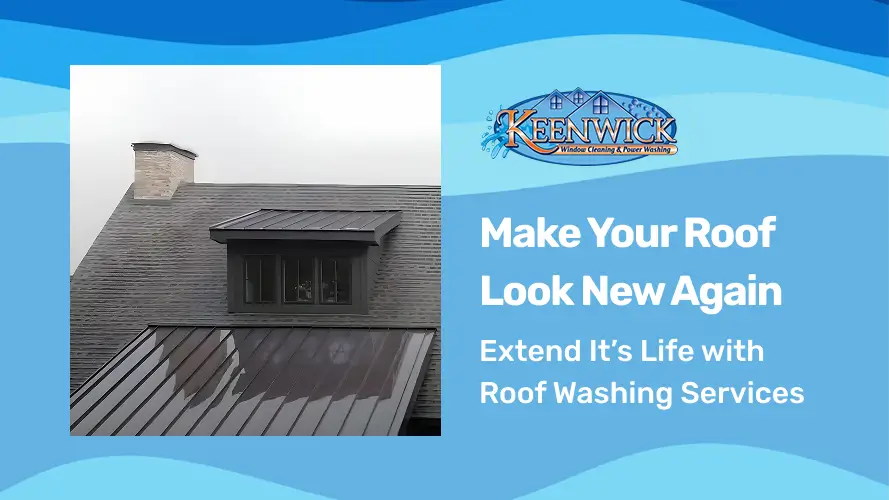
If you’re searching for “roof cleaning near me,” you’ve come to the right place. Keenwick delivers top-tier roof cleaning services with care and precision. Our team uses proven soft washing techniques that safely remove algae, moss, and stains without damaging shingles or tiles.
Working with Keenwick means enjoying cleaner, longer-lasting roofs and better-looking homes in less time. Customers appreciate our attention to detail and the way we treat every property as if it were our own.
We proudly offer roof washing services across Annapolis, Severna Park, Pasadena, Edgewater, Davidsonville, Arnold, Cape St. Claire, and nearby communities.
Ready to give your roof a fresh start? Contact us today and schedule your estimate for reliable, professional service!
Frequently Asked Questions
1. How do I find reliable roof cleaning near me?
Look for companies with proven experience, positive customer reviews, and proper insurance coverage. If you’re searching for “roof cleaning near me,” ensure the provider uses safe, soft-washing methods instead of harsh pressure washing that can damage shingles.
2. Are roof cleaning services worth it?
Yes. Professional roof cleaning services extend the life of your roof by removing harmful algae, moss, and debris. This prevents premature damage and saves you money in the long run.
3. How often should I get my roof cleaned?
Most experts recommend roof cleaning every 2–3 years, depending on your local climate and the amount of tree coverage in your area. If your roof appears discolored or streaked, it’s time for a cleaning.
4. What’s the difference between soft washing and pressure washing for roofs?
Soft washing utilizes low pressure and specialized cleaners to remove stains, whereas pressure washing can damage shingles. Most professional roof cleaning services use soft washing for safe and effective results.
5. Can roof cleaning lower my energy bills?
Yes. Algae and dirt can darken your roof, causing it to absorb more heat. A clean roof reflects sunlight more effectively, which can help regulate attic temperatures and enhance energy efficiency.