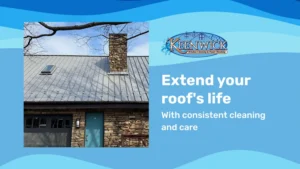
Your roof is one of the most important parts of your home. It protects your family, belongings, and the structural integrity of the property from harsh weather conditions throughout the year. Yet, it is often one of the most overlooked areas when it comes to routine maintenance.
Many homeowners focus on landscaping, interior upgrades, and exterior painting but neglect regular roof cleaning, allowing dirt, algae, moss, debris, and moisture to accumulate over time. These contaminants can gradually damage roofing materials, reduce curb appeal, and shorten the lifespan of the roof.
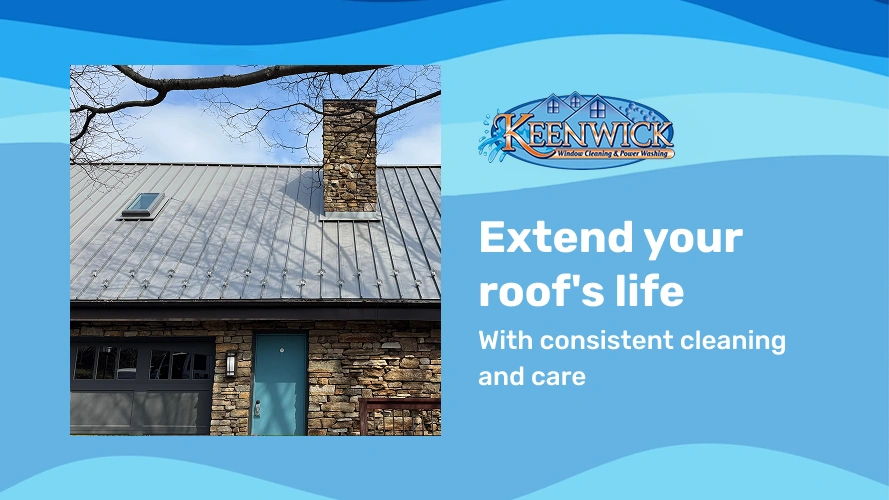
Consistent cleaning and preventive maintenance can help homeowners avoid costly repairs and maximize the value of their investment. In this guide, we’ll explore why roof care matters, how cleaning extends roof life, and the best practices for keeping your roof in excellent condition for years to come.
Why Roof Maintenance Matters
A roof faces constant exposure to environmental elements such as:
- Rain and snow
- UV radiation
- Wind-blown debris
- Algae and mold growth
- Moss and lichen
- Temperature fluctuations
Over time, these factors contribute to wear and tear that can compromise roofing materials. Regular roof maintenance helps identify small issues before they become major problems.
Ignoring maintenance may lead to:
- Premature shingle deterioration
- Water infiltration
- Mold growth in the attic
- Structural damage
- Increased energy costs
- Expensive roof replacement projects
Routine inspections and cleaning can significantly reduce these risks while helping homeowners protect their investment.
How Long Does a Roof Last?
One of the most common questions homeowners ask is: how long does a roof last?
The answer depends on several factors, including the roofing material, climate, installation quality, and maintenance routine.
Average roof lifespans include:
| Roofing Material | Average Lifespan |
| Asphalt Shingles | 20–30 Years |
| Architectural Shingles | 25–40 Years |
| Metal Roofing | 40–70 Years |
| Clay Tiles | 50–100 Years |
| Slate Roofing | 75–150 Years |
While roofing materials are designed to last for decades, neglect can significantly reduce their lifespan. Algae growth, trapped moisture, and accumulated debris accelerate deterioration.
Regular roof cleaning and maintenance can help homeowners achieve or even exceed the expected lifespan of their roofing system.
The Hidden Threats Sitting on Your Roof
Many roofing problems begin with contaminants that seem harmless at first glance.
Algae Growth
Black streaks commonly seen on roofs are often caused by algae. These organisms feed on the limestone fillers used in many shingles. As algae spreads, it can trap moisture and contribute to material degradation.
Moss and Lichen
Moss retains water against roofing surfaces. Over time, this constant moisture exposure can weaken shingles and encourage rot.
Proper roof moss removal helps prevent water retention and protects roofing materials from long-term damage.
Leaves and Organic Debris
Leaves, twigs, and pine needles can collect in roof valleys and gutters. When debris traps moisture, it creates the perfect environment for mold growth and water damage.
Dirt and Pollution
Dust, airborne pollutants, and environmental contaminants gradually build up on roofing surfaces. These deposits can affect both appearance and performance over time.
How Roof Cleaning Extends Roof Life
Routine roof cleaning is about much more than improving appearance. It directly contributes to the health and longevity of your roofing system.
Prevents Moisture Damage
Moisture is one of the biggest threats to roofing materials. Moss, algae, and debris hold water against the roof surface, increasing the likelihood of rot and deterioration.
Keeping the roof clean allows water to drain properly and reduces prolonged moisture exposure.
Protects Roofing Materials
Asphalt shingles, tiles, and metal roofing all perform better when contaminants are removed regularly. Dirt and biological growth can slowly break down protective coatings and surface materials.
Improves Energy Efficiency
Dark algae stains absorb heat, making the roof hotter during summer months. A clean roof reflects sunlight more effectively, helping maintain indoor comfort and potentially reducing cooling costs.
Reduces Future Repair Costs
Regular inspections combined with roof cleaning allow homeowners to identify cracked shingles, loose flashing, or minor leaks before they become expensive repairs.
Roof Washing vs. Roof Pressure Washing: What’s the Difference?
Homeowners often assume all cleaning methods are the same, but choosing the right technique is critical.
Roof Washing
Roof washing typically involves low-pressure cleaning methods combined with specialized cleaning solutions. This approach safely removes algae, mold, dirt, and stains without damaging roofing materials.
Soft washing is particularly effective for asphalt shingles and delicate roofing systems.
Roof Pressure Washing
Roof pressure washing uses higher water pressure to remove stubborn dirt and debris. While effective in certain situations, excessive pressure can damage shingles, dislodge granules, and shorten roof life if not performed correctly.
For most residential roofs, soft washing is generally considered the safer option.
Professional assessment helps determine the most appropriate cleaning method based on the roof’s age, material, and condition.
Signs Your Roof Needs Cleaning
Many homeowners wait until significant staining appears before taking action. However, early intervention can prevent larger problems.
Watch for these warning signs:
- Black streaks on shingles
- Green moss patches
- Lichen growth
- Accumulated leaves and debris
- Clogged gutters
- Visible discoloration
- Water pooling in roof valleys
If any of these issues are present, scheduling roof cleaning can help prevent further deterioration.
The Importance of Seasonal Roof Care
Every season presents unique challenges for your roof.
Spring
Winter weather may leave behind debris, damaged shingles, and clogged gutters. Spring is an excellent time for inspections and cleaning.
Summer
High temperatures and UV exposure can accelerate wear on roofing materials. Summer inspections help identify heat-related damage.
Fall
Leaves accumulate rapidly during fall. Removing debris before winter helps prevent moisture buildup and drainage issues.
Winter
Snow, ice dams, and freezing temperatures place additional stress on roofing systems. A well-maintained roof performs better during harsh winter conditions.
Consistent care throughout the year supports long-term roof performance and durability.
Why Professional Roof Cleaning Is Worth the Investment
While some homeowners attempt DIY cleaning, working with experts often delivers safer and more effective results.
Enhanced Safety
Roof work involves significant fall risks. Trained technicians have the equipment and experience needed to work safely at height.
Proper Cleaning Techniques
A qualified team understands how different roofing materials respond to various cleaning methods. This reduces the risk of accidental damage.
Thorough Inspection
Many companies offering professional roof cleaning also inspect for signs of wear, leaks, flashing issues, and structural concerns during the cleaning process.
Long-Term Savings
Addressing minor issues early can prevent expensive repairs or premature roof replacement, making professional services a smart investment.
How Often Should a Roof Be Cleaned?
The ideal cleaning schedule depends on several factors, including:
- Local climate
- Tree coverage
- Roof material
- Humidity levels
- Presence of algae or moss
As a general guideline:
| Condition | Recommended Frequency |
| Moderate Climate | Every 2–3 Years |
| High Humidity Areas | Every 1–2 Years |
| Heavy Tree Coverage | Annually |
| Frequent Moss Growth | As Needed |
Homeowners who invest in routine roof cleaning often experience fewer maintenance issues and longer roof lifespans.
Benefits of Residential Roof Washing
Regular residential roof washing provides advantages that go beyond extending roof life.
Boosts Curb Appeal
A clean roof dramatically improves the overall appearance of a home. Removing stains and discoloration creates a fresher, well-maintained look.
Supports Property Value
Potential buyers notice exterior maintenance. A clean roof can contribute positively to property value and buyer confidence.
Promotes Healthier Living Conditions
Removing mold, algae, and mildew helps reduce the spread of biological contaminants around the property.
Protects Your Investment
Your roof represents a significant financial investment. Regular maintenance helps safeguard that investment for decades.
Choosing Reliable Roof Cleaning Services
Not all cleaning providers deliver the same level of expertise.
When evaluating roof cleaning services, consider the following:
Experience and Training
Choose a company with proven experience cleaning various roofing materials.
Insurance Coverage
Verify that the contractor carries proper liability and workers’ compensation insurance.
Safe Cleaning Methods
Ask about the techniques used and whether they are appropriate for your specific roof type.
Customer Reviews
Online reviews and testimonials can provide insight into service quality and customer satisfaction.
Detailed Estimates
A reputable provider should clearly explain the scope of work and expected outcomes.
Similarly, when researching roof washing services, prioritize companies that emphasize roof preservation rather than aggressive cleaning methods.
Preventive Tips for a Longer-Lasting Roof
In addition to regular cleaning, homeowners can take several proactive steps to extend roof life:
- Trim overhanging tree branches.
- Keep gutters clean and functional.
- Schedule annual roof inspections.
- Address minor repairs promptly.
- Ensure proper attic ventilation.
- Remove debris after storms.
- Monitor for signs of moss and algae growth.
These simple habits can significantly reduce wear and improve overall roof performance.
Conclusion
Your roof works tirelessly to protect your home from the elements, making regular care essential for long-term performance. Consistent roof cleaning, routine inspections, and preventive maintenance can help homeowners avoid costly repairs while preserving the appearance and structural integrity of their roofing system.
Whether you’re dealing with algae stains, debris accumulation, or the need for roof moss removal, taking action early can make a substantial difference. Investing in professional care and adopting a proactive maintenance schedule will help ensure your roof remains strong, attractive, and functional for years to come.
If you’re wondering how long does a roof last, the answer often depends on how well it is maintained. With proper care, regular cleaning, and timely attention to small issues, your roof can continue protecting your home well beyond its expected lifespan.
Protect Your Roof and Enhance Your Home’s Curb Appeal with Keenwick
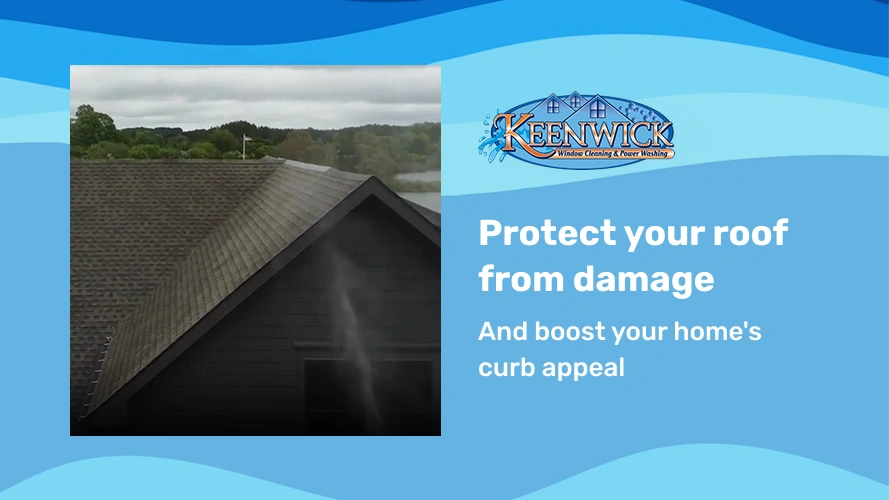
Your roof is constantly exposed to dirt, algae, moss, and the elements, all of which can shorten its lifespan and diminish your home’s appearance. At Keenwick, we help homeowners protect their investment with safe, effective roof washing services designed to remove harmful buildup and restore the beauty of their roofs without causing damage.
Our experienced team uses proven cleaning methods that help extend roof life, improve curb appeal, and prevent costly repairs down the road. Whether you’re dealing with unsightly stains, organic growth, or years of accumulated debris, we deliver reliable results backed by professional service and attention to detail.
We proudly serve Annapolis, Severna Park, Pasadena, Edgewater, Davidsonville, Arnold, Cape St. Claire, and surrounding areas.
Ready to give your roof the care it deserves? Contact us today for a free estimate.
Frequently Asked Questions
1. How often should a roof be cleaned?
Most roofs should be cleaned every 1–3 years, depending on the local climate, tree coverage, and the presence of algae or moss. Regular roof cleaning helps prevent damage and extends the lifespan of roofing materials.
2. Does roof cleaning extend the life of a roof?
Yes. Removing algae, moss, debris, and other contaminants reduces moisture retention and prevents premature deterioration. Routine maintenance can help your roof reach or exceed its expected lifespan.
3. What is the safest method for roof washing?
Soft washing is generally considered the safest method for roof washing because it uses low-pressure water and specialized cleaning solutions to remove stains, algae, and organic growth without damaging shingles.
4. Can moss damage my roof?
Yes. Moss traps moisture against roofing materials, which can lead to shingle deterioration, wood rot, and water damage over time. Prompt roof moss removal helps protect the structural integrity of your roof.
5. Are professional roof cleaning services worth it?
Professional roof cleaning services can provide safer, more effective results than DIY methods. Experienced technicians use the proper equipment and cleaning techniques to protect roofing materials while thoroughly removing contaminants.
6. How long does a roof last with proper maintenance?
The lifespan of a roof varies by material, but regular inspections, cleaning, and preventive maintenance can significantly increase longevity. Asphalt shingle roofs, for example, often last 20–30 years when properly maintained.
7. Is roof pressure washing safe for shingles?
High-pressure cleaning can damage asphalt shingles by removing protective granules. In most cases, professionals recommend soft washing rather than aggressive roof pressure washing for residential roofs.
8. When should I schedule residential roof washing?
Spring and fall are typically the best times for residential roof washing, as these seasons allow homeowners to remove debris, algae, and moss before extreme summer heat or winter weather arrives.