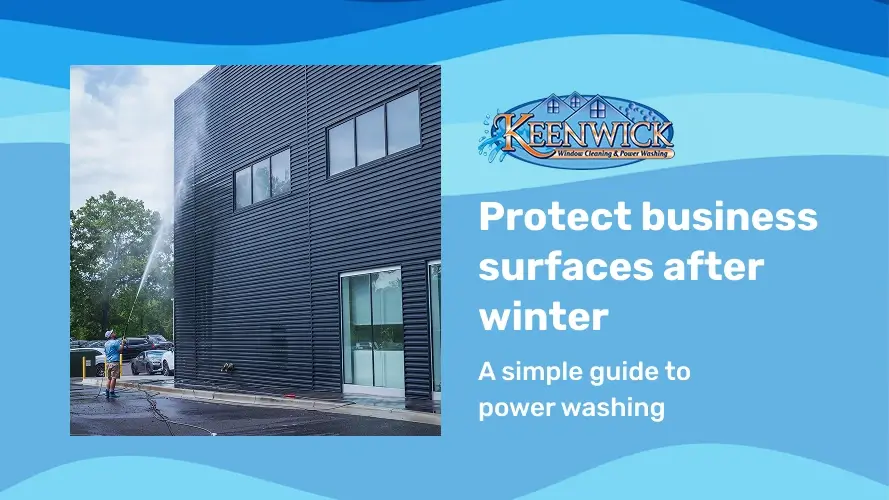
Winter leaves behind more than just cold memories. Salt residue, grime, algae spores, and traffic stains quietly settle into exterior surfaces. As temperatures rise, these leftovers begin to cause visible damage. This guide explains how timely cleaning protects business properties, improves safety, and extends the life of outdoor materials. It focuses on practical decisions, not sales talk, and helps business owners understand what matters once winter ends.
Why Post-Winter Cleaning Matters for Businesses
Winter stress shows up slowly. Concrete darkens, entryways look dull, and walls hold moisture longer than they should. These changes may seem cosmetic at first, but they often lead to cracking, surface erosion, and slip risks.
Beyond appearance, spring cleaning reduces long-term repair costs and prevents safety issues from escalating. Surfaces that stay dirty also trap moisture. That moisture seeps into tiny gaps and expands during cold nights. Over time, small flaws turn into expensive problems.
Understanding What Winter Leaves Behind
Salt and Chemical Residue
De-icing products do not disappear when snow melts. They sink into concrete pores and corrode nearby metal fixtures. Railings, loading docks, and parking edges are common victims.
Organic Growth and Moisture Traps
Moss and algae thrive once temperatures rise. Shaded walls and north-facing walkways are especially vulnerable. These growths make surfaces slick and unsafe.
Traffic Film and Pollution
Vehicle exhaust and foot traffic create a thin, sticky film. Over time, this layer bonds with dirt, making it harder to remove with basic cleaning methods.
When to Schedule Exterior Cleaning After Winter
Timing matters. Too early, and surfaces stay damp. Too late, and the buildup hardens. The ideal window is when overnight temperatures remain above freezing and surfaces dry naturally during the day.
This period allows deeper cleaning without forcing water into frozen cracks. It also prepares properties for higher foot traffic during spring and early summer.
Choosing the Right Cleaning Approach
Not every surface needs the same treatment. Pressure levels, water temperature, and cleaning agents must be matched to the material.
Concrete can handle higher pressure. Painted siding cannot. Wood decks require patience and control. Using the wrong setting often causes more harm than good.
This is where experience matters. Skilled crews adjust methods instead of relying on a single approach for every job.
The Role of Power Washing in Surface Protection
In the first stage of seasonal maintenance, many businesses turn to power washing services to reset exterior surfaces after months of exposure. This process removes embedded contaminants that standard cleaning cannot touch, creating a clean base before sealing, repainting, or routine upkeep begins.
How Commercial Properties Face Unique Challenges
Large properties see heavier use. Delivery zones, storefronts, and shared walkways accumulate grime faster. These areas also face stricter safety expectations.
A clean exterior reflects operational discipline. It signals care and professionalism without saying a word. That impression matters in competitive markets.
Why Commercial Properties Require a Specialized Process
A structured commercial power washing plan addresses scale, surface variety, and safety requirements found in business environments. Parking lots, façades, service alleys, and signage all demand different pressure levels and cleaning sequences to avoid damage.
Surface Types That Need Extra Attention After Winter
Concrete and Masonry
Porous materials trap salt and moisture. Deep cleaning prevents surface breakdown and staining.
Glass and Storefront Panels
Winter residue dulls transparency. Clear glass improves visibility and lets in more natural light.
Metal Fixtures and Railings
Salt accelerates corrosion. Early removal slows rust formation.
Reducing Liability Through Proactive Cleaning
Slip-and-fall incidents spike during seasonal transitions. Wet moss, algae, and compacted dirt create hazards. A focused commercial power washing routine reduces these risks by restoring traction on walkways and ramps before peak foot traffic returns.
Environmental Considerations Businesses Should Not Ignore
Modern cleaning methods prioritize water control and safe runoff management. Eco-conscious detergents break down contaminants without harming nearby landscaping or drainage systems.
Businesses operating near public walkways or storm drains benefit from compliant practices that protect surrounding areas.
Residential vs Business Exterior Cleaning Needs
While both property types benefit from routine cleaning, residential power washing services focus on aesthetics and homeowner upkeep. Business environments demand stricter safety standards, faster turnaround times, and coordinated scheduling to avoid disrupting operations.
How Often Exterior Cleaning Should Be Done
Frequency depends on location and usage. Urban properties need more attention than low-traffic sites. Areas exposed to shade and moisture require shorter intervals.
An annual deep clean paired with lighter mid-season touch-ups works well for many businesses.
Protecting Surfaces Before Peak Spring Traffic
Before outdoor seating opens or foot traffic increases, commercial power washing prepares surfaces for higher use. Clean materials resist wear better and allow protective coatings to bond evenly, extending their lifespan.
Common Mistakes to Avoid During Post-Winter Cleaning
Using excessive pressure damages surfaces. Ignoring drainage creates pooling issues. Skipping safety checks risks injury.
Rushed work often results in uneven outcomes. A methodical approach saves time and money in the long run.
Preparing for Inspections and Brand Visibility
Clean exteriors support compliance and brand image. Inspectors notice maintenance habits. Customers associate cleanliness with reliability.
A consistent commercial power washing schedule helps businesses stay inspection-ready while maintaining a polished appearance year-round.
Long-Term Cost Benefits of Preventive Cleaning
Deferred maintenance costs more. Stains set in. Surfaces weaken. Repairs become unavoidable.
Regular commercial power washing reduces repainting cycles, minimizes structural wear, and preserves material integrity over time.
Coordinating Cleaning With Other Maintenance Tasks
Exterior cleaning works best when paired with minor repairs. Sealing cracks, repainting, or line marking should follow a thorough wash.
This sequence ensures better adhesion and longer-lasting results.
Adapting Cleaning Plans to Business Operations
Every site is different. Retail locations need off-hour scheduling. Warehouses require access planning. Office parks may need phased cleaning.
A flexible power washing strategy respects daily operations while delivering consistent results.
Preparing Surfaces for Seasonal Weather Changes
Spring brings rain. Summer brings heat. Clean surfaces shed water better and resist thermal stress.
A final commercial power-washing pass after winter helps surfaces withstand the months ahead with less deterioration.
Conclusion: A Smart Start to the Warm Season
End-of-winter maintenance sets the tone for the year. Clean, protected surfaces last longer, look better, and stay safer. Businesses that plan early avoid rushed decisions and unnecessary repairs later.
Surface care is not about quick fixes. It is about timing, method, and consistency. When done right, it protects both property value and reputation, season after season.
Keenwick Professional Power Washing for Long-Lasting Surface Protection
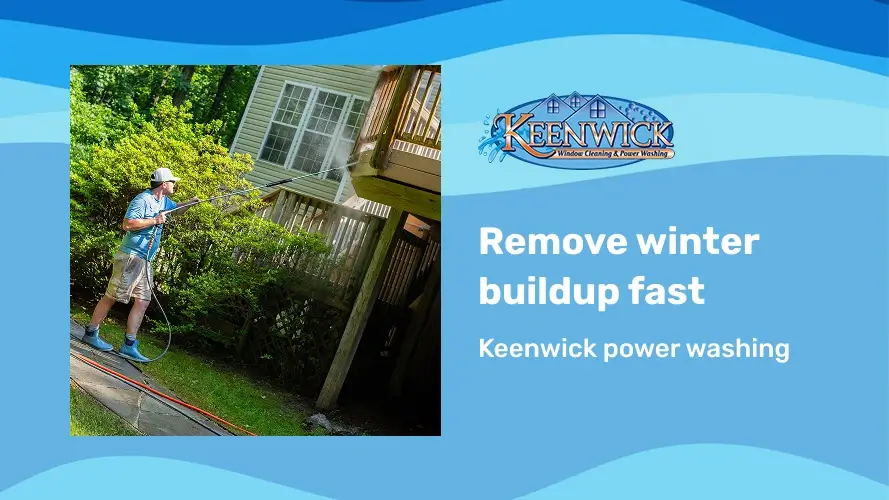
Keenwick provides dependable exterior cleaning focused on protecting surfaces after harsh seasonal exposure. We remove winter grime, algae, salt residue, and built-up dirt that can weaken concrete, siding, and walkways if left untreated.
We deliver structured commercial power washing for storefronts, offices, parking areas, and other high-traffic zones, using controlled pressure and surface-safe methods to maintain durability and safety. Our residential power washing services help homeowners restore driveways, patios, and exterior walls without damaging materials or finishes.
We proudly serve Annapolis, Severna Park, Pasadena, Edgewater, Davidsonville, Arnold, Cape St. Claire, and the surrounding areas.
Ready to restore and protect your exterior surfaces? Contact us today to schedule your service.
Frequently Asked Questions
1. When is the best time to schedule exterior power washing after winter?
Late winter to early spring is ideal once temperatures stay above freezing. This timing allows surfaces to dry properly and removes salt, grime, and organic buildup before spring rain and increased foot traffic cause further damage.
2. How does commercial power washing help protect business properties long-term?
Commercial power washing removes contaminants that slowly break down concrete, masonry, and exterior coatings. Regular cleaning reduces surface erosion, improves traction, and helps businesses avoid costly repairs caused by trapped moisture and residue.
3. Can power washing damage concrete or siding if done too often?
Damage usually comes from improper pressure or technique, not frequency. When done correctly with surface-appropriate settings, routine cleaning can actually extend the life of exterior materials rather than harm them.
4. How often should homeowners schedule residential power washing services?
Most homeowners benefit from residential power washing services once a year, typically in spring. Properties with heavy shade, nearby trees, or high humidity may need more frequent cleaning to prevent algae and mold buildup.
5. Is power washing environmentally safe for nearby landscaping and drainage systems?
Yes, when performed responsibly. Professional providers use controlled water flow and surface-safe cleaning solutions to prevent runoff issues and protect plants, soil, and storm drains.