When people book window cleaning services in early spring, one concern almost always follows. What if it rains right after? Will all that effort wash away in a single afternoon shower? It sounds logical at first. Water hits the glass, dirt appears, and the windows look messy again.
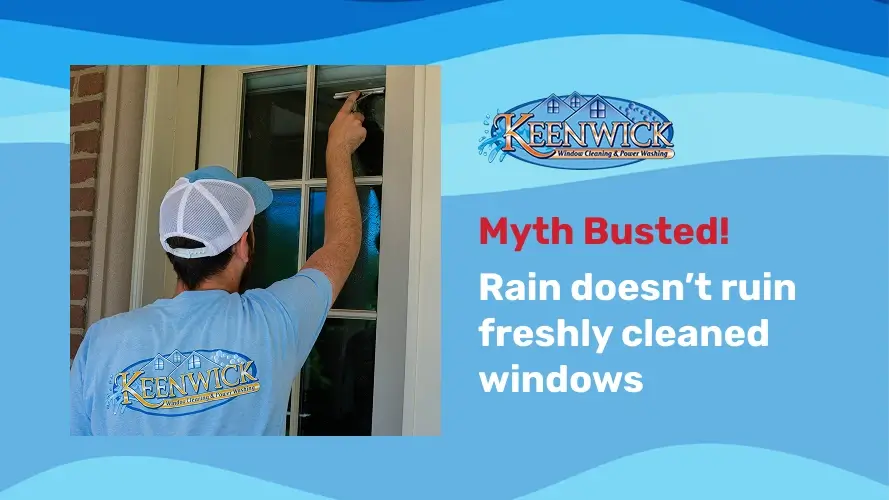
But here is the truth. Rain does not ruin professionally cleaned windows. In fact, the real cause of streaks and spots has very little to do with rain at all.
This blog clears up the confusion and takes a closer look at what actually happens during spring cleaning, why rain is misunderstood, and how proper cleaning makes all the difference.
Why This Myth Won’t Go Away
The belief that rain dirties windows has been passed around for decades. It feels obvious. Rainwater falls from the sky. It must carry grime.
But most rainwater is relatively clean when it first hits your glass. The problem is not the rain. The problem is what is already sitting on the surface.
If dust, pollen, and residue are stuck to the window before the storm, water mixes with those particles. Then it dries, and spotting appears.
So when someone says rain ruined their windows, what usually happens is this. The windows were not fully clean to begin with.
During spring cleaning, removing that built-up residue is what prevents the streaks people blame on the weather.
What Really Makes Windows Look Dirty After Rain
Let’s break it down in plain terms.
Leftover Dirt and Pollen
Spring brings heavy pollen. It settles on glass, frames, and sills. If the surface is not thoroughly washed, rainwater activates that layer. When it dries, it leaves visible marks.
Hard Water Minerals
In some areas, mineral content in water can leave faint spots. But again, this shows up more on glass that already has residue.
Dirty Screens and Frames
Water often runs through screens before touching the glass. If the screens are clogged with dust, the runoff can carry grime downward.
Proper spring cleaning addresses all of these factors. Not just the glass itself.
How Professional Cleaning Changes the Outcome
Here is where the difference becomes clear.
Professional cleaners do not just wipe windows with a cloth and a spray bottle. They remove debris from frames and scrub away grime that has accumulated over the winter. They rinse thoroughly so nothing sticky remains behind.
When windows are cleaned correctly, rainwater slides off smoothly. It does not cling to residue because there is none left.
This is why many companies offering residential window cleaning back their work with rain guarantees. If rain truly destroyed results every time, that promise would not exist.
The Role of Spring Cleaning in Seasonal Maintenance
There is a reason spring cleaning has lasted through generations. It marks a reset. Winter leaves behind grime, road salt, dust, and airborne debris.
Windows take the hit.
Cold months mean less ventilation. Dirt builds quietly. By the time warmer weather arrives, the glass often has layers of buildup that are easy to ignore until sunlight exposes every streak.
Spring cleaning removes that hidden film and restores clarity. It is not just cosmetic. Clean windows allow more natural light inside. That can lift the mood of a space. It can even help reduce lighting costs in some settings.
Residential Properties and the Rain Question
Homeowners often hesitate to schedule home window cleaning because of unpredictable weather. The forecast shows scattered showers. The appointment gets postponed.
In reality, light rain after a proper cleaning rarely causes visible issues.
Residential window cleaning focuses on removing contaminants that cause spotting. When that layer is gone, rainwater behaves differently. It beads and rolls away.
Waiting weeks for perfect sunshine can delay maintenance unnecessarily. Spring weather shifts quickly. Clean windows should not depend on a flawless forecast.
Commercial Buildings Face the Same Misconception
The same myth appears in office parks and storefronts. Managers question whether commercial window cleaning makes sense during the rainy season.
Think about it this way. Commercial properties face higher traffic, greater exposure to pollution, and increased dust. That buildup sticks to glass.
When cleaned properly, the surface remains clearer for longer periods, even through variable weather.
Delaying service often leads to heavier buildup, which becomes harder to remove later. Spring cleaning in commercial spaces is less about timing the rain and more about preventing long-term staining.
What Happens If It Rains Right After Cleaning
This scenario causes the most anxiety. Windows are cleaned in the morning. Clouds roll in by afternoon. Rain follows.
Here is what typically happens.
If the windows were cleaned thoroughly, rainwater would run off. Once dry, the glass looks nearly identical to its pre-storm state.
If spotting appears, it usually points to external factors, such as nearby construction dust or unaddressed dirty window screens.
Proper spring cleaning accounts for these details.
The Science Behind Clean Glass
Glass is smooth, but not perfectly so. Microscopic pits exist on the surface. Dirt settles into those spaces over time.
A quick wipe does not remove deeply embedded grime. It spreads it around.
Professional methods use tools that dislodge particles from those tiny imperfections. Once cleared, the glass is less likely to retain new debris.
Rain hitting a smooth, residue-free surface behaves differently than rain hitting a dusty one. The difference is visible.
Why Timing Still Matters During Spring Cleaning
Although rain does not ruin clean windows, timing can still influence results.
Heavy storms combined with wind can splash mud onto lower panes. Construction zones nearby can introduce airborne particles.
Spring cleaning should consider environmental conditions, not fear them.
A calm day with moderate weather is ideal, but perfection is not required. The goal is thorough removal of buildup. Not chasing a flawless forecast.
DIY Attempts vs Professional Standards
Many people attempt spring cleaning on their own. Some do a great job, and others miss the hidden buildup around frames and edges.
Household cleaners can leave residue if not rinsed completely. Paper towels may leave fibers behind. Ladders introduce safety risks.
Home window cleaning handled by trained professionals reduces these issues. It also ensures that screens and sills are cleaned along with the glass.
Rain exposure becomes less of a concern when every surface has been properly addressed.
Spring Cleaning and Long Term Protection
There is another factor rarely discussed. Regular spring cleaning helps protect windows over time.
Dirt and mineral deposits can etch glass if left too long. That damage becomes permanent.
Routine care removes corrosive elements before they settle in. Clean windows last longer. Frames stay in better condition, and seals remain intact.
This is not about appearance alone, but maintenance as well.
Breaking the Habit of Waiting for Perfect Weather
There is a pattern every year. Schedules fill quickly when the first sunny weekend appears. Then cancellations happen at the sight of clouds.
Spring cleaning works best when approached as maintenance, not a gamble against the sky.
Rain is part of the season. It is not the enemy of clean glass.
Clear windows depend on preparation and technique. Not on whether a shower passes through the neighborhood.
A Clearer View of the Truth
The myth that rain ruins freshly cleaned windows sounds reasonable. But evidence tells a different story.
Rain does not create dirt out of thin air. It reveals what was already there.
Proper window cleaning services remove the root cause of streaking. Residential window cleaning eliminates pollen and grime that cause spotting. Commercial window cleaning protects business exteriors from long-term buildup. Proper home window cleaning leaves glass ready for whatever the weather brings.
Spring cleaning remains one of the most effective seasonal resets a property can undergo. It restores brightness. It improves appearance. It supports maintenance.
So the next time clouds gather after an appointment, there is no need to be frustrated. Clean glass stays clean because the surface was prepared correctly.
Rain simply falls. The difference lies in what was removed before it arrived.
Brighter Windows. Better First Impressions. Choose Keenwick

At Keenwick, quality matters. Our residential window cleaning services help homeowners in Annapolis, Severna Park, Pasadena, Edgewater, Davidsonville, Arnold, Cape St. Claire, and surrounding areas enjoy streak-free glass that lets in light and enhances every view. We don’t just clean glass. We treat window sills, tracks, and hard-to-reach panes with care, leaving every surface clearer than before.
On the commercial side, our window cleaning services add a professional touch to the storefronts of all sizes. Crystal-clear windows create a strong first impression, boosting curb appeal and inviting clients inside. Our team works around your schedule to keep disruptions low and results high.
Ready to improve your home or business exterior? Contact us today for a free quote and flawless results you can trust.
Frequently Asked Questions
1. Does rain make windows dirty again after they’ve been cleaned?
No. Rain itself is relatively clean. When windows look dirty after a storm, it’s usually because dust, pollen, or residue was left on the surface beforehand. Proper cleaning removes that buildup, so rainwater can rinse off without leaving streaks.
2. How often should windows be cleaned in the spring?
For most homes in the USA, once in early spring and once in late fall works well. Properties near busy roads, construction zones, or coastal areas may need more frequent service due to heavier debris and salt exposure.
3. What’s included in professional residential window cleaning?
Residential window cleaning typically covers glass, frames, sills, and sometimes screens. Removing dirt from these surrounding areas prevents runoff stains and helps keep windows looking clear for longer.
4. Is commercial window cleaning worth it for small businesses?
Yes. Commercial window cleaning helps maintain a polished storefront and creates a positive first impression for customers. Clean glass reflects attention to detail and professionalism, which can influence how a business is perceived.
5. Should window cleaning appointments be canceled if rain is in the forecast?
Light rain usually does not affect results. Most professionals recommend keeping the appointment unless severe weather is expected. Properly cleaned windows remain clear even after typical spring showers.