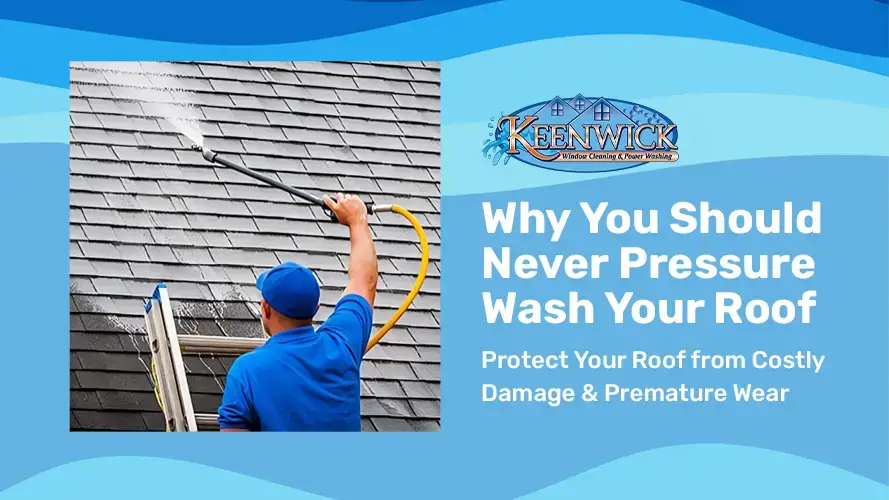
Your roof is one of the most important parts of your home. It keeps you safe from the elements, provides insulation, and adds to the overall curb appeal of your property. However, when it comes to roof maintenance, one common misconception many homeowners have is using pressure washing as a cleaning method. In this blog, we’ll explore why pressure washing your roof isn’t the best idea and why relying on professional roof washing services can save you money and damage in the long run.
Understanding Roof Pressure Washing: What’s the Big Deal?
Roof pressure washing is exactly what it sounds like: using a high-powered stream of water to clean your roof’s surface. On the surface, it seems like an efficient and quick solution for cleaning. Many people may even consider it a go-to method for removing debris, moss, and algae that build up over time. But here’s the catch—pressure washing can harm your roof in several ways.
While it might seem like you’re simply rinsing off dirt, pressure washing can strip granules from asphalt shingles, causing long-term damage. The high-pressure water could also force debris and moisture into your roof’s underlayer, leading to leaks or mold growth. On the other hand, roof cleaning services use gentler methods that preserve the integrity of your roofing materials.
Why Pressure Washing Can Cause Long-Term Damage
1. Damages Roofing Materials
The first major risk with roof pressure washing is that it can damage the roofing materials. Asphalt shingles, for instance, are designed to be durable, but when exposed to high-pressure water, their protective granules can be washed away. This not only weakens the shingles but also shortens their lifespan.
If you’ve ever noticed how a small pebble can tear into the surface of a shingle, imagine what high-pressure water can do. It can strip off the protective layers, exposing the roof to the elements and accelerating wear and tear. Once this happens, you may need to replace shingles or the entire roof much sooner than anticipated.
2. Pushing Water Beneath the Shingles
One of the dangers of pressure washing your roof is the risk of water being forced underneath the shingles. Even if you don’t see it, water can travel through gaps and seep into your roof deck. Once this moisture is trapped, it can lead to mold growth, rot, and a weakened roof structure.
Roof washing services, however, avoid this issue by using low-pressure techniques. These methods ensure that no water is forced under the shingles, allowing your roof to stay intact while still being cleaned properly.
Why Roof Pressure Washing Is Not Effective for All Roof Types
1. Tile Roofs: Fragile and Expensive to Repair
Tile roofs are beautiful but delicate. The pressure from a pressure washer can cause tiles to crack or break, exposing your roof to the elements. Cracked tiles are not just an aesthetic issue; they compromise the structural integrity of your roof, potentially leading to leaks and other problems.
If you have a tile roof, it’s best to avoid using a pressure washer altogether. Professional roof cleaning services can help clean the tiles without causing any harm.
2. Metal Roofs: Susceptible to Scratching
Metal roofs are known for their durability, but they can be scratched easily. The intense force of a pressure washer can damage the surface of a metal roof, leaving it prone to rust or discoloration. Plus, scratches can diminish the roof’s aesthetic value and lower its ability to protect your home.
The Benefits of Professional Roof Washing Services
A professional roof washing service can provide numerous benefits compared to DIY pressure washing. Here’s why opting for the pros is a smart move:
1. Safe and Effective Cleaning Methods
Professional roof washing services use methods designed to clean your roof without damaging it. They use eco-friendly cleaning solutions and low-pressure washing techniques to gently remove dirt, moss, algae, and debris from the surface.
By hiring a professional, you can rest assured that your roof will be cleaned properly without the risk of causing damage.
2. Preserves Roof Warranty
Many roofing manufacturers include specific maintenance guidelines in their warranties, which may void the warranty if pressure washing is used. Using the wrong cleaning method could cost you more than hiring a professional in the first place.
Roof cleaning services are familiar with these guidelines and will follow the correct procedures to ensure your warranty remains intact.
When Is Roof Pressure Washing Necessary?
In some cases, roof pressure washing might be necessary—if done correctly. For example, if your roof is heavily stained or covered in thick moss, a soft wash method that uses low pressure can effectively clean the surface without causing damage.
However, it’s important to know that pressure washing should never be your go-to cleaning method. For regular maintenance and to avoid costly repairs, it’s always better to rely on professional roof cleaning services that understand how to care for different roof types.
Revitalize Your Roof with Keenwick’s Expert Power Washing Services
If you’re searching for “roof cleaning near me,” look no further than Keenwick. Our professional roof washing services are designed to safely and effectively remove dirt, algae, and moss, restoring your roof’s appearance and extending its lifespan.
At Keenwick, we prioritize the health of your roof by utilizing gentle cleaning methods that prevent damage. Our experienced team ensures a thorough clean, enhancing your home’s curb appeal and protecting your investment.
Don’t let unsightly stains or biological growth compromise your roof’s integrity. Contact Keenwick today to schedule a consultation and discover how our roof washing services can rejuvenate your home.